


A TRADITION THROUGH TIME
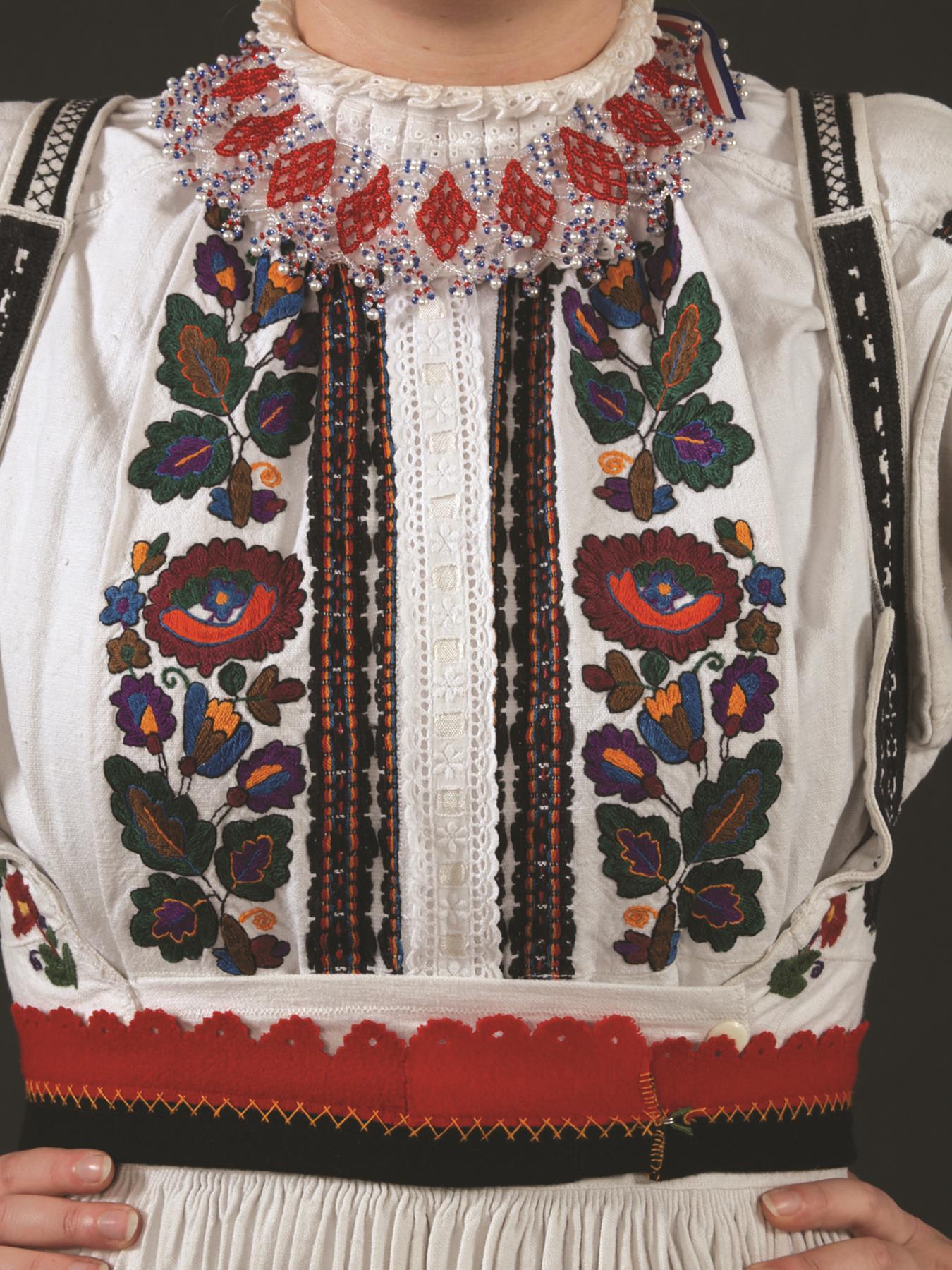
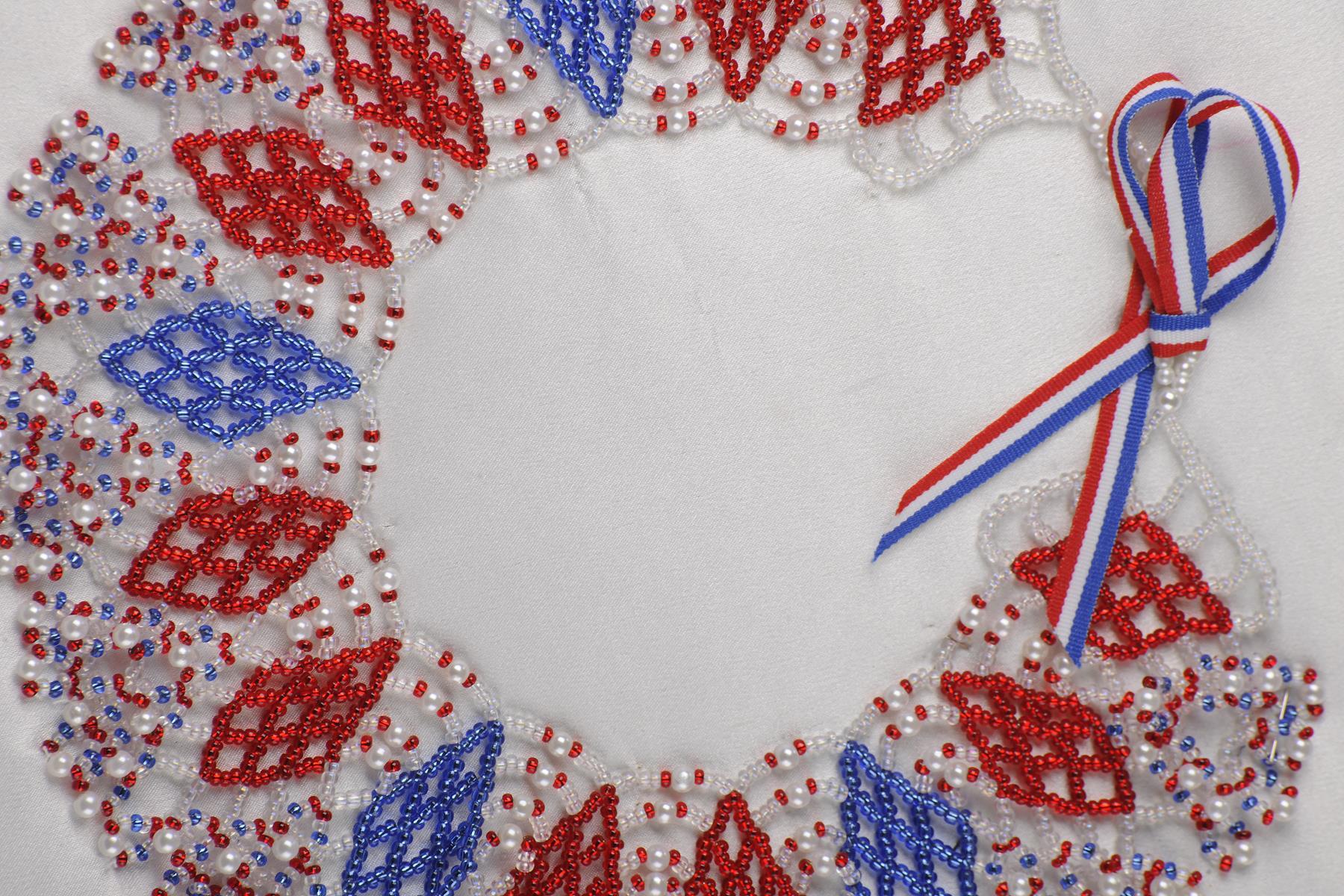
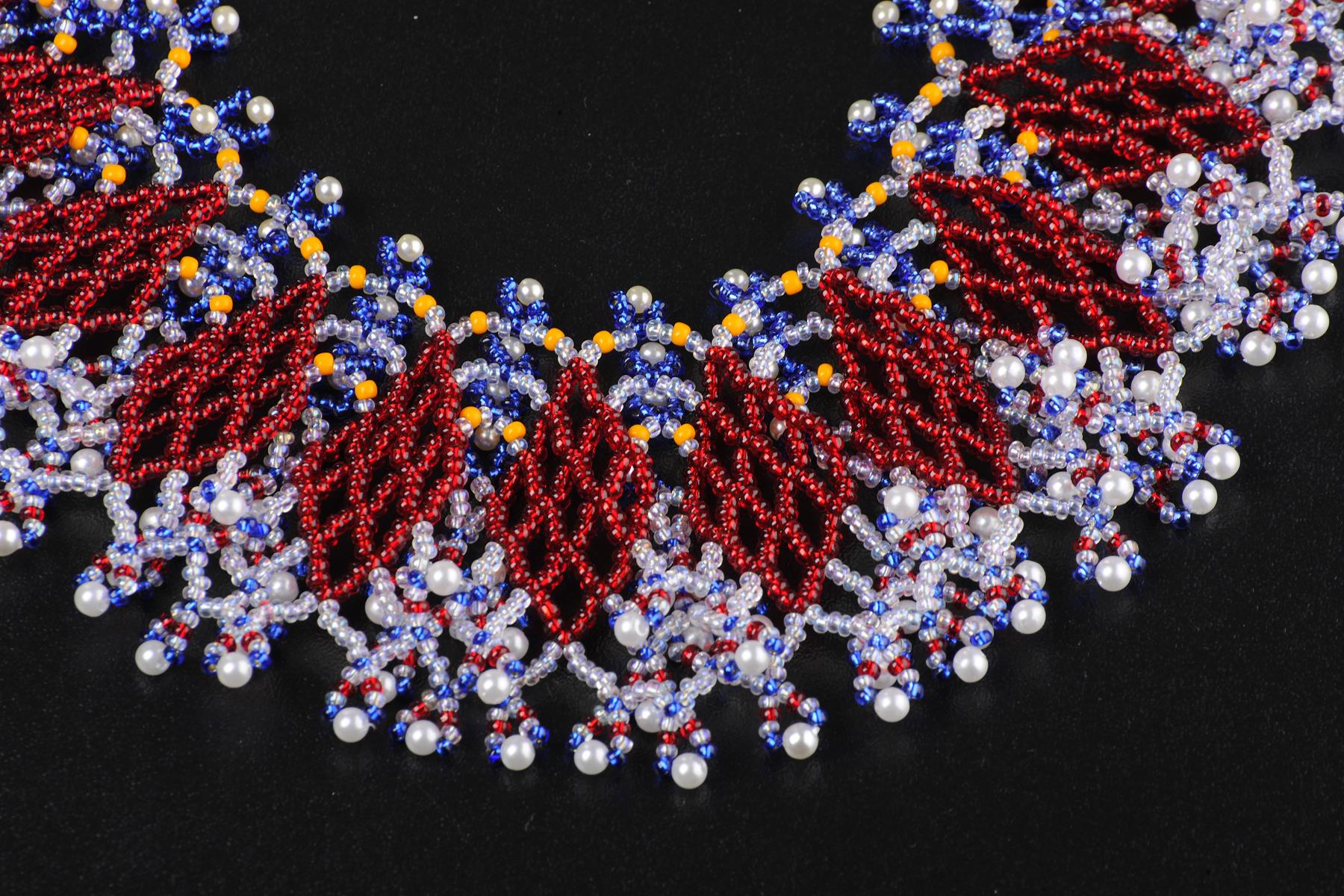
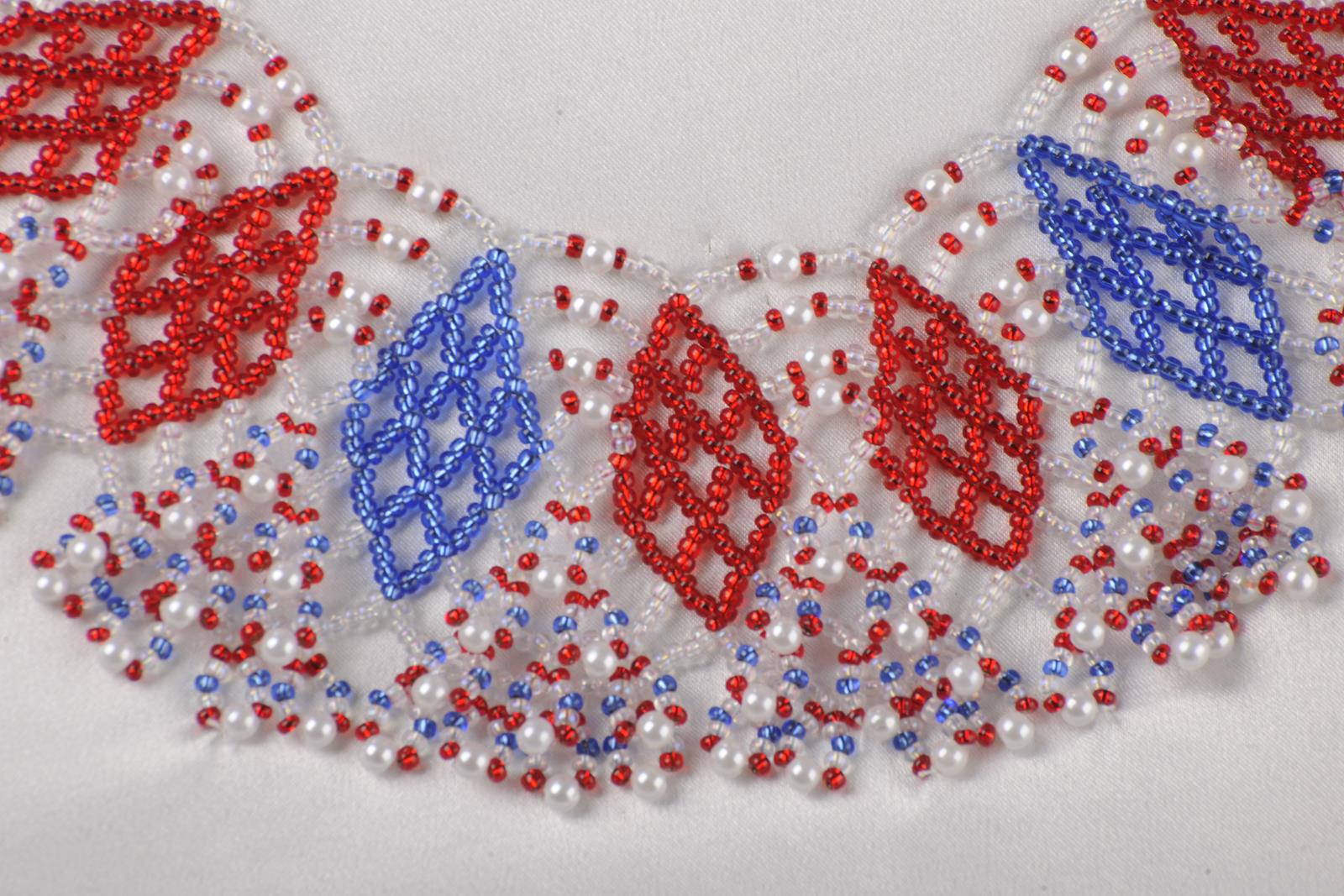
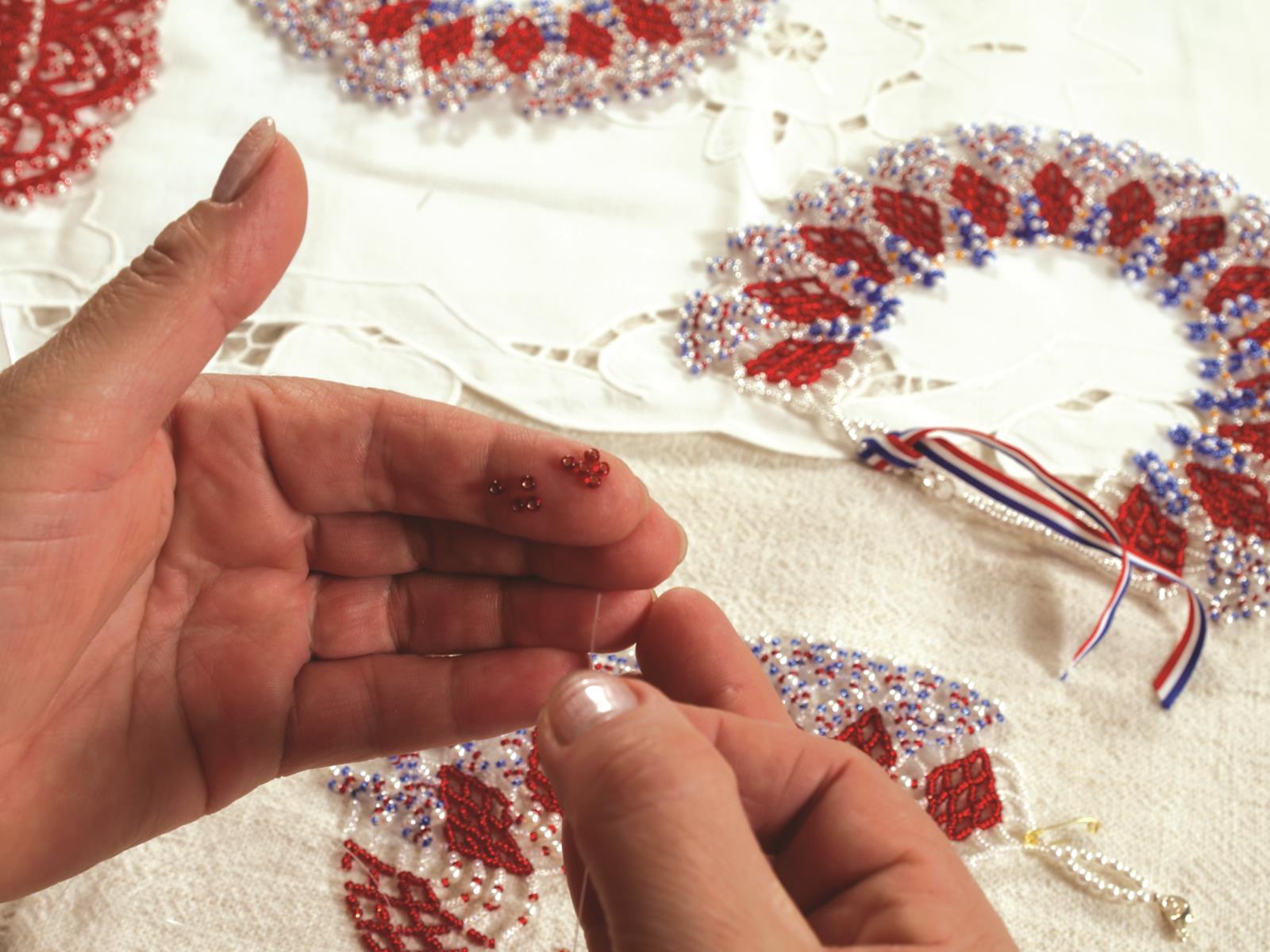
The Sveta Nedelja kraluž is a unique example of traditional women’s jewellery that first appeared in the Sveta Nedelja area in the early 19th century. Ever since, it has remained an essential part of the festive folk costume, and its distinctiveness reaches beyond the local setting, making it a symbol of the area’s cultural identity.
It is worn around the neck, over a kraglin – a collar of white gathered lace – so that the beauty of its colours and ornaments stands out all the more. Glass or coral beads are strung on a base of eight white horsetail hairs or plastic threads to create the ornaments known as kare, križići, šlinge and frki. It is made in several colours, most often in the red, white and blue tricolour or simply in red and white, with a decorative pearl. The kraluž is worn on various occasions, most commonly for major church holidays and important events in a woman’s life. In 2012 it was entered in the Register of Protected Intangible Cultural Heritage of the Republic of Croatia. More recently other souvenirs have appeared as well – handmade rag dolls in Sveta Nedelja folk costume and a variety of decorative and practical ceramic items – while family farms also offer homemade rakija and liqueurs.
THE AREA’S TRADITIONAL VALUES
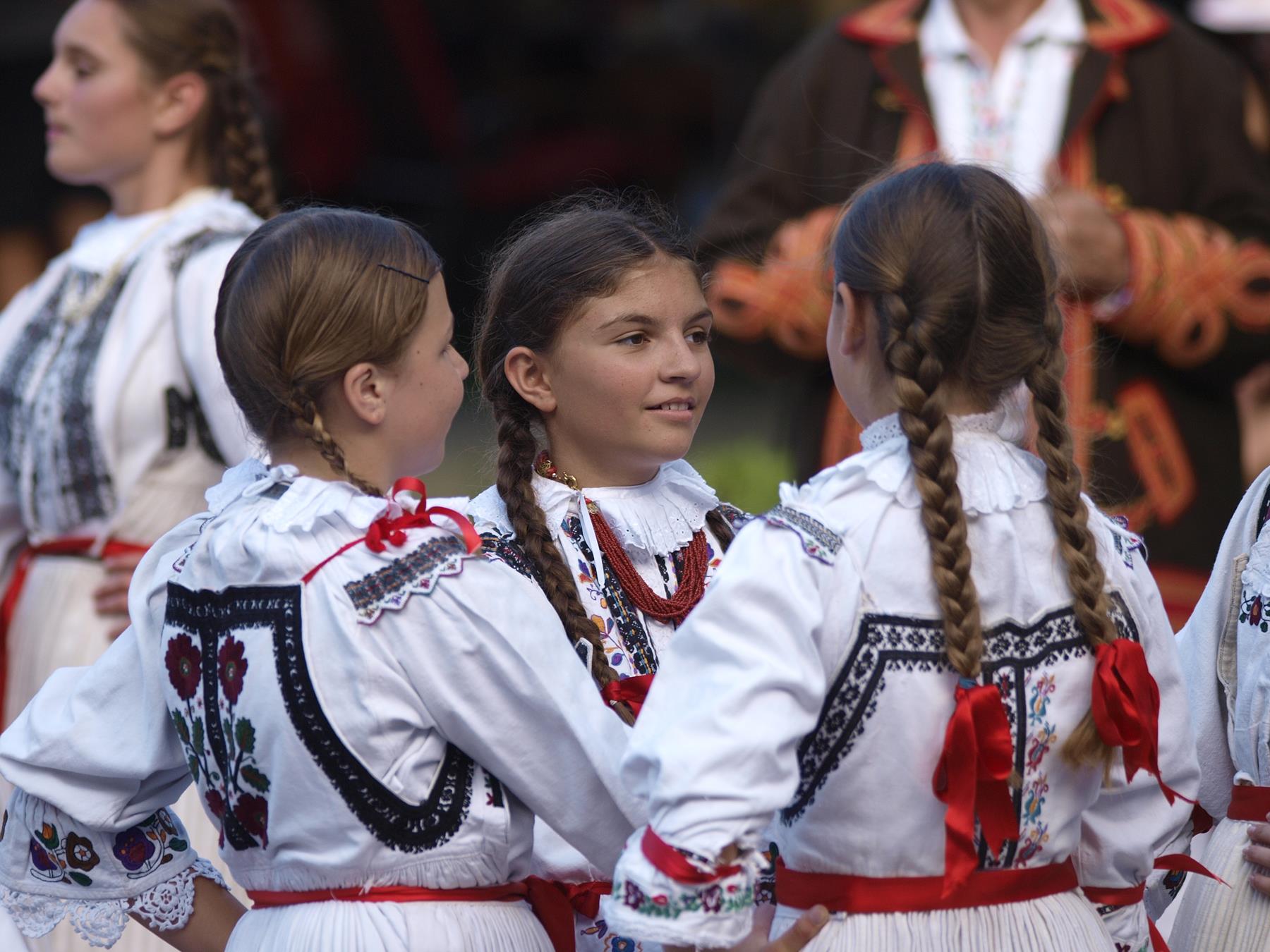
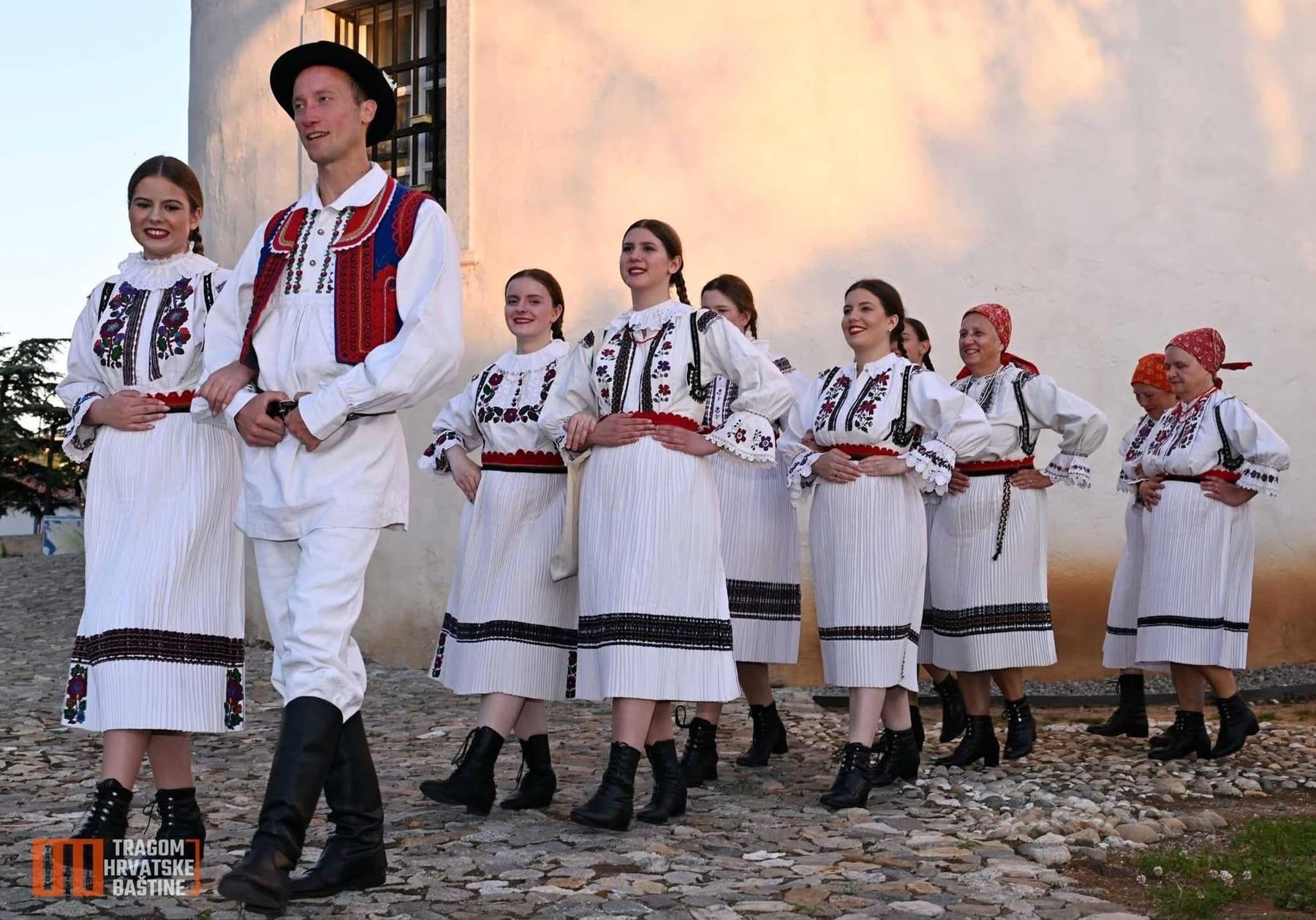
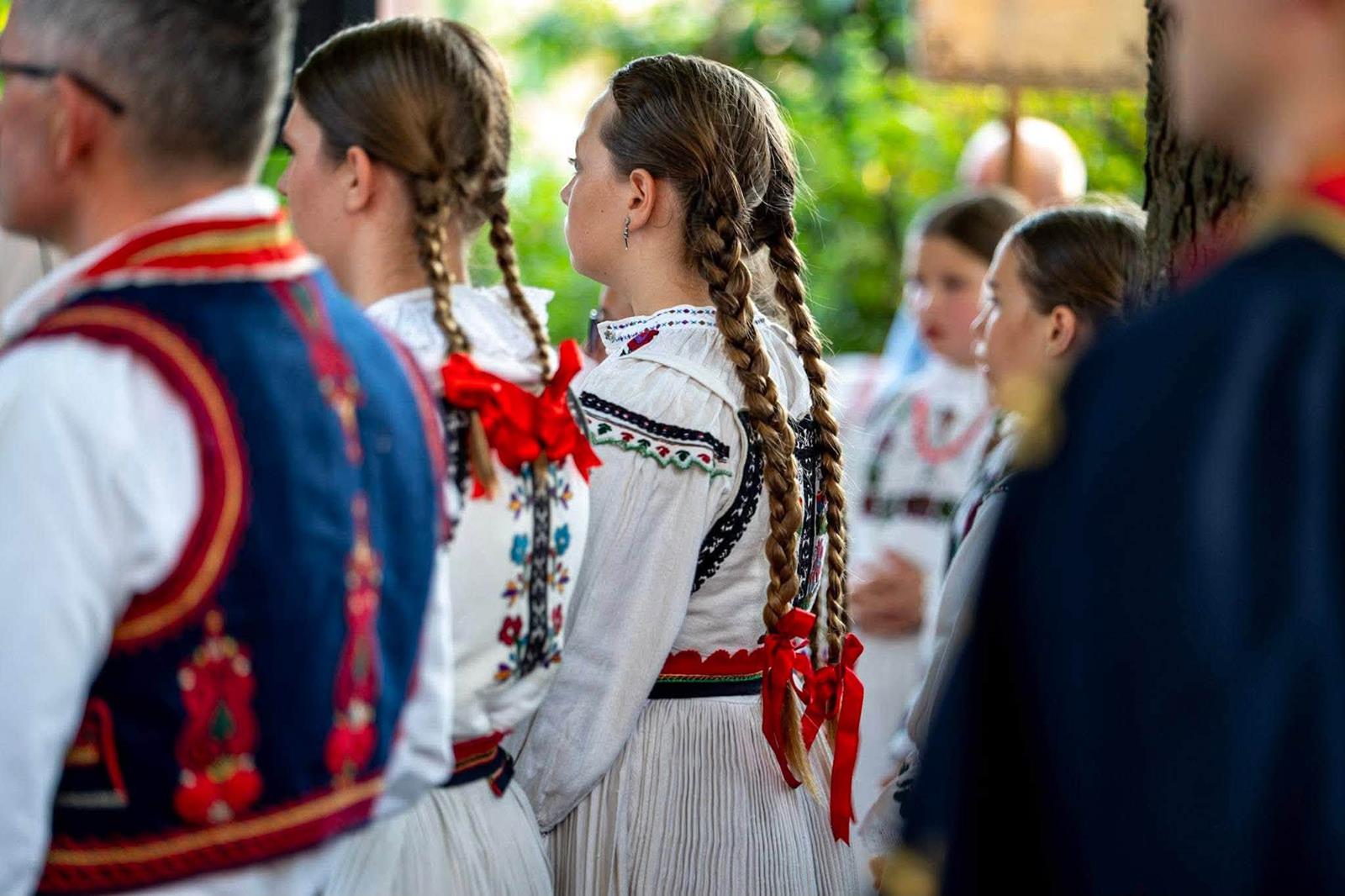
The cultural and artistic societies of the Sveta Nedelja area proudly preserve the customs, folk costumes and values handed down from generation to generation.
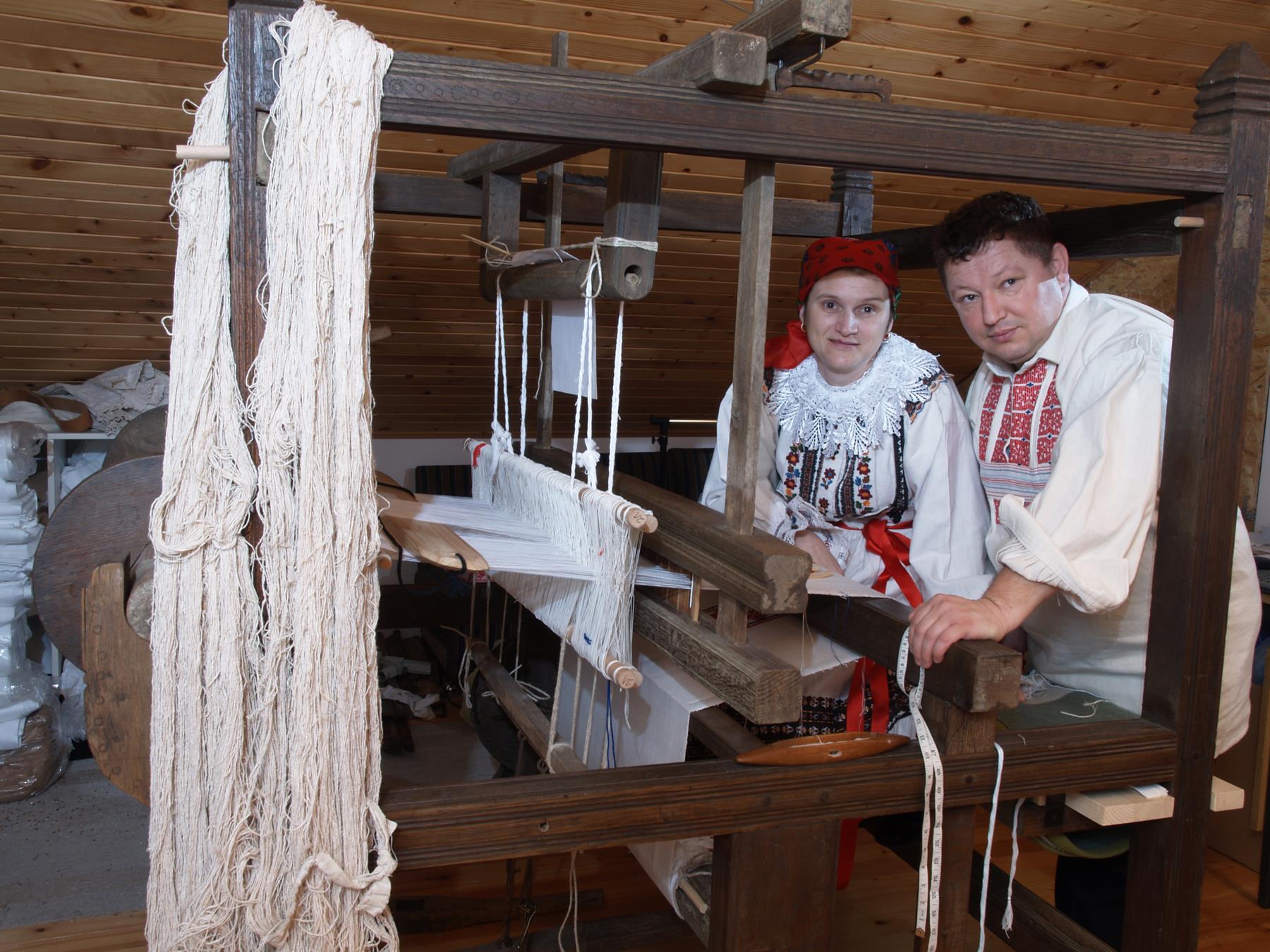
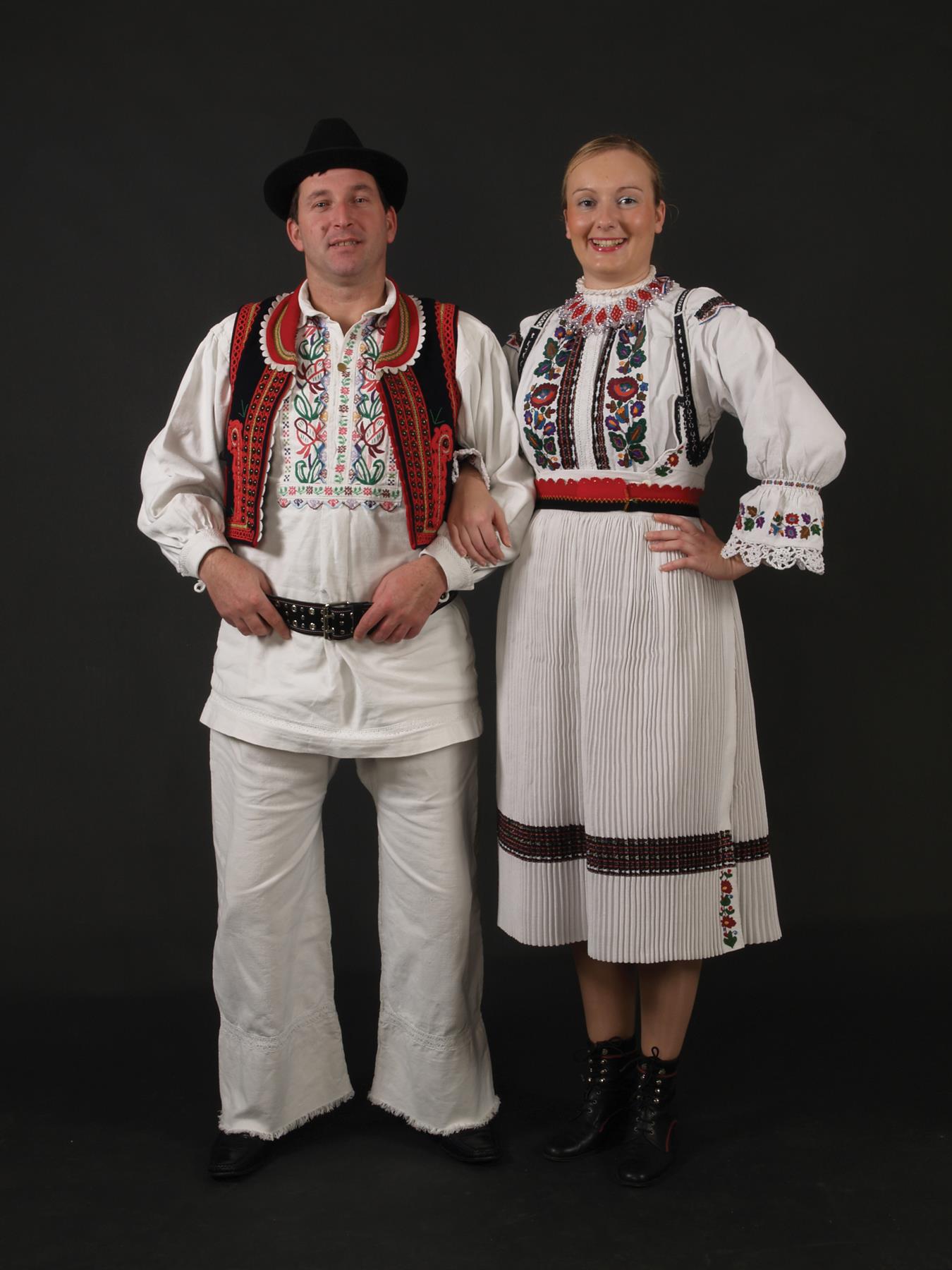
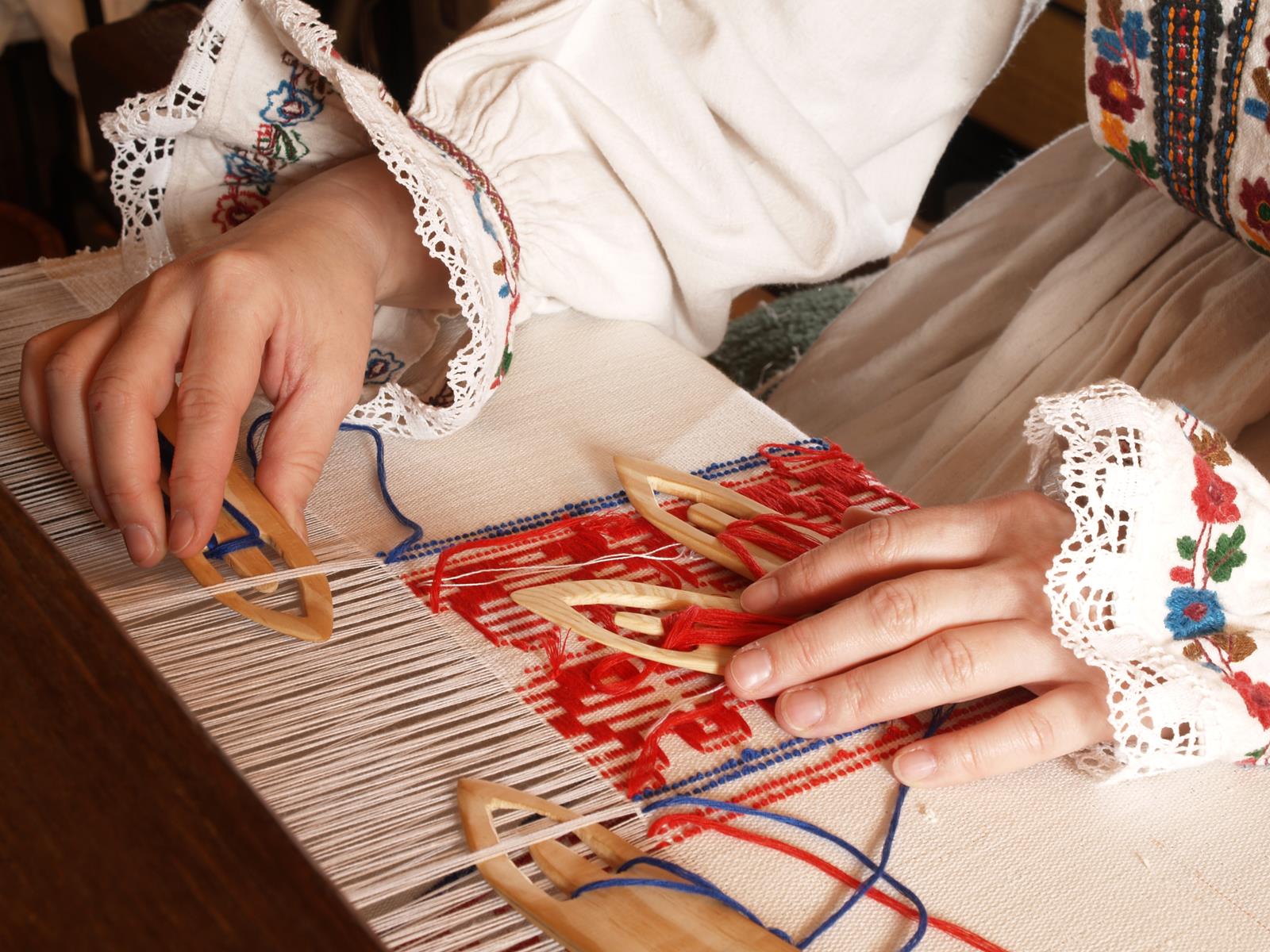
Sveta Nedelja’s cultural and artistic societies make sure that the old ways and traditional values of the area are not lost, that age-old customs are kept alive, and that the older generation passes on to the young what they themselves learned from their parents and grandparents. Special attention is paid to preserving the traditional folk costume of the Sveta Nedelja villages. In the lowland part of the area people mostly worked the land and grew flax and hemp, which were the basis for making men’s and women’s costumes, and so it remained until the end of the 19th century. In the 20th century shop-bought cotton came into use as the weft in making costumes, while flax and hemp remained the warp of the cloth. The main parts of the men’s costume were gaće (wide linen trousers) and rubača (shirt), and of the women’s costume the oplećek (blouse), rubača-celača (linen skirt) and fertun (apron). Today the folk costumes are a great ethnological treasure of the Sveta Nedelja area and an important mark of the region’s identity.