


Sava-Strmec ornithological reserve
In the Sava River valley, near Strmec, lies an exceptionally valuable and unique habitat that is home to around 150 bird species, including several rare species. Covering approximately 270 hectares, this part of the protected water catchment area was designated an ornithological reserve in 1971.
Share




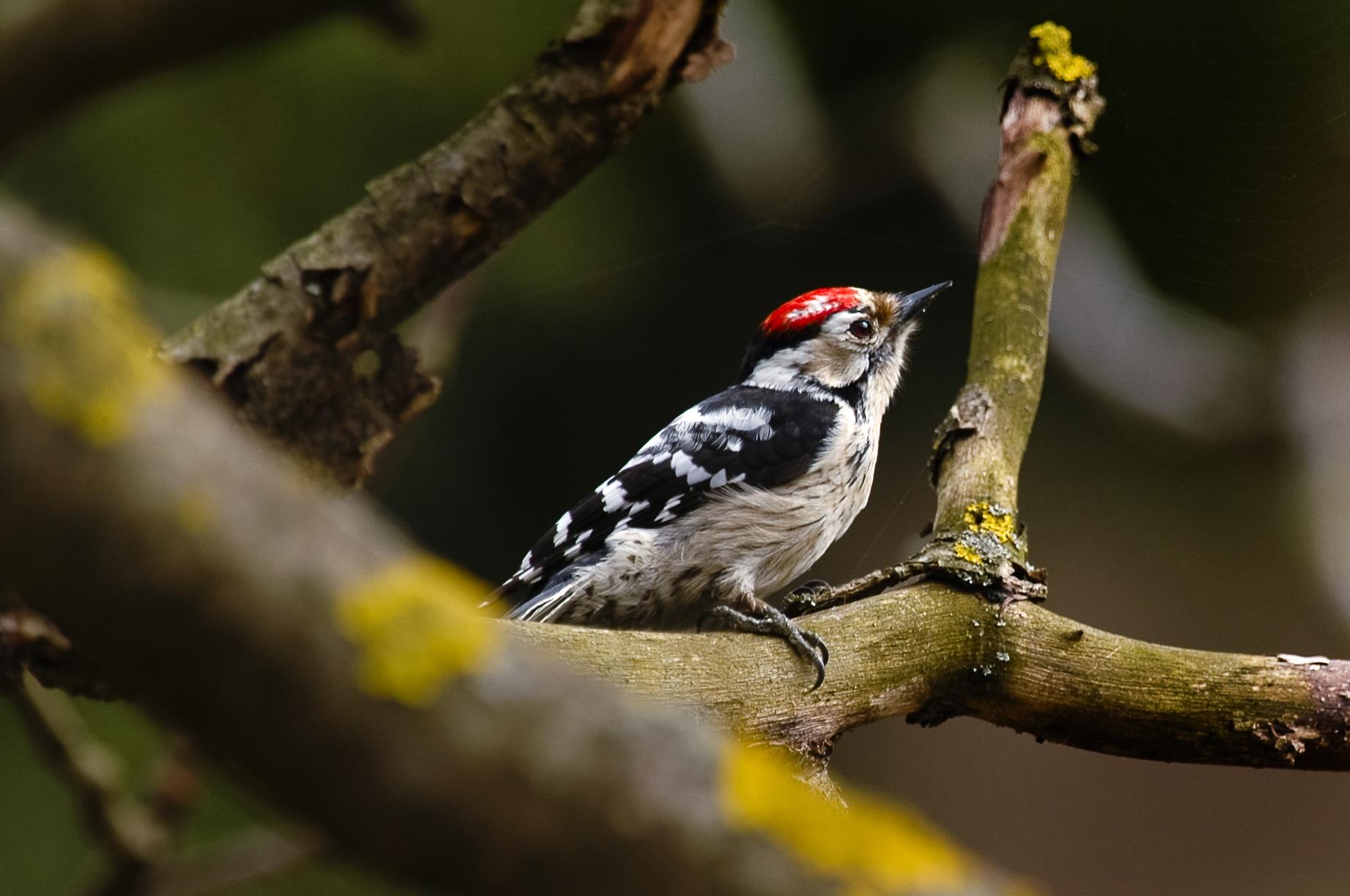
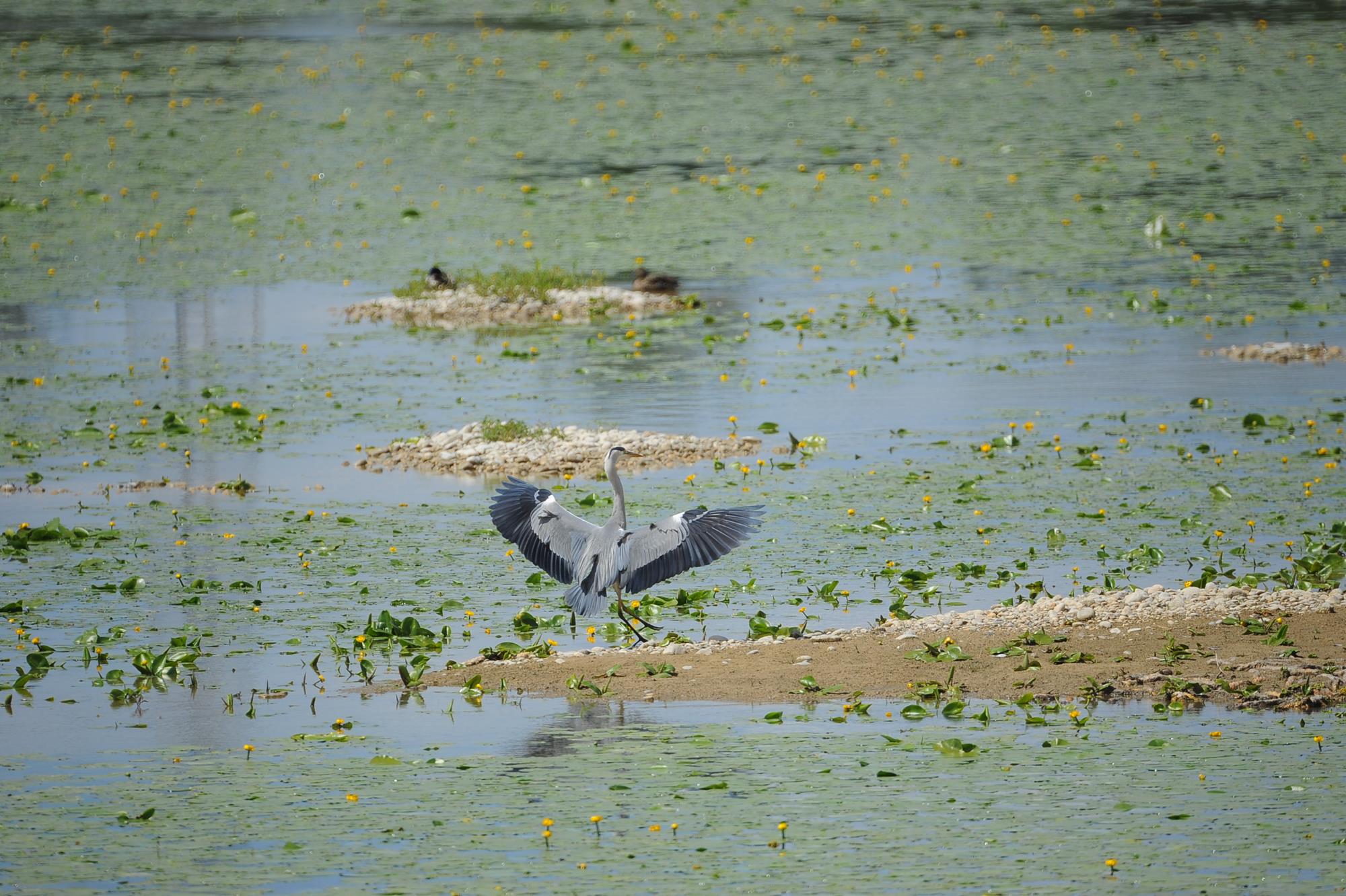
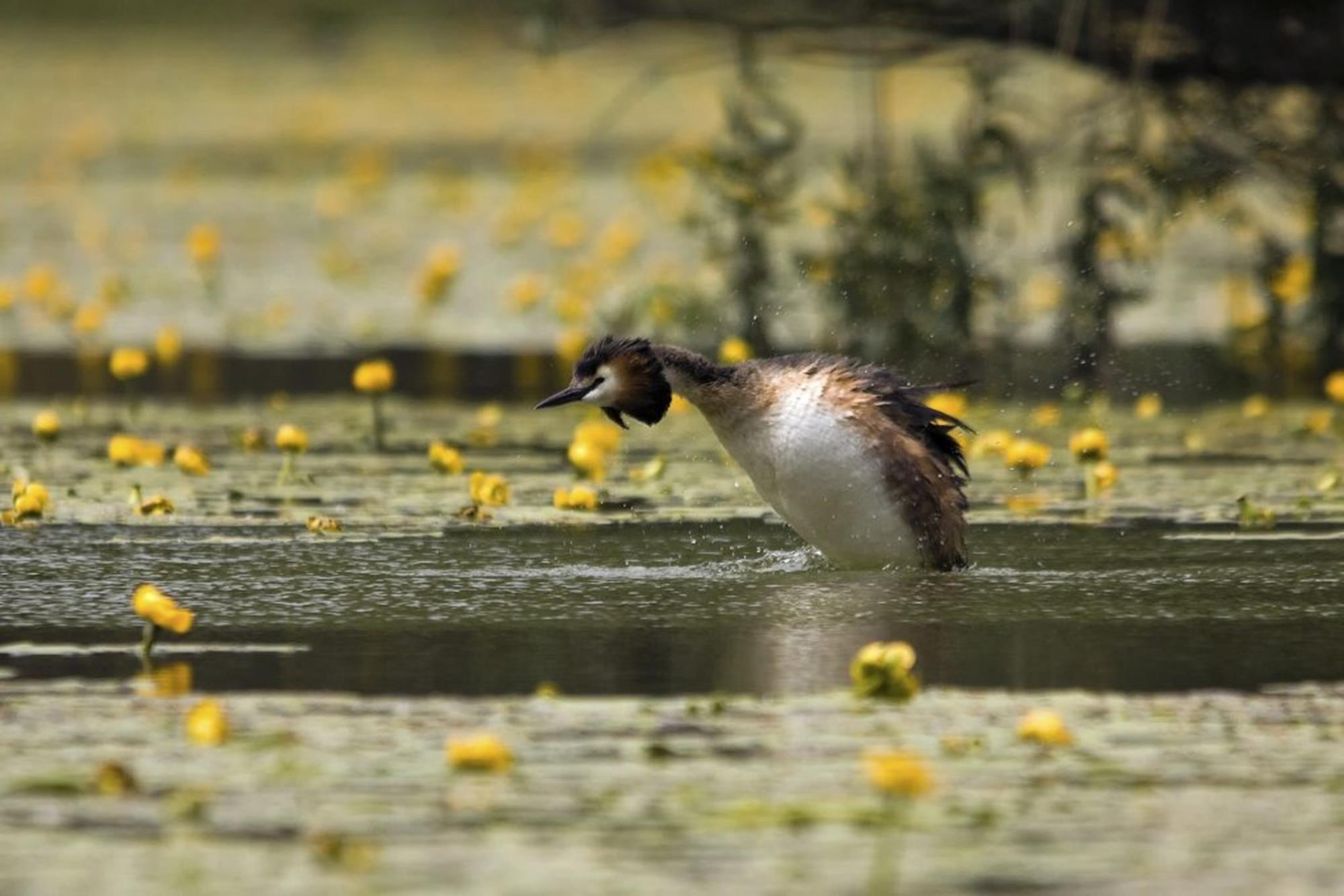
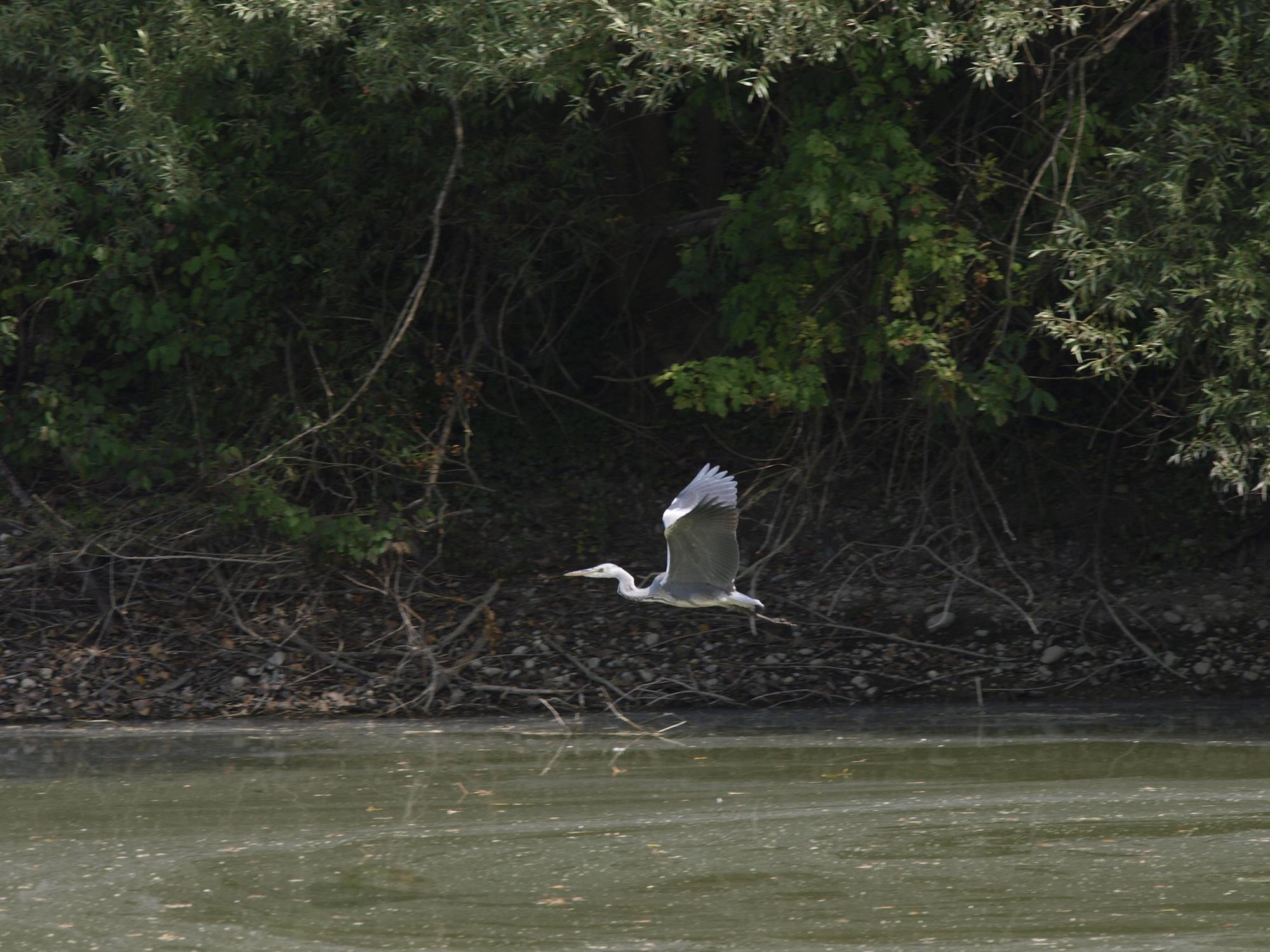
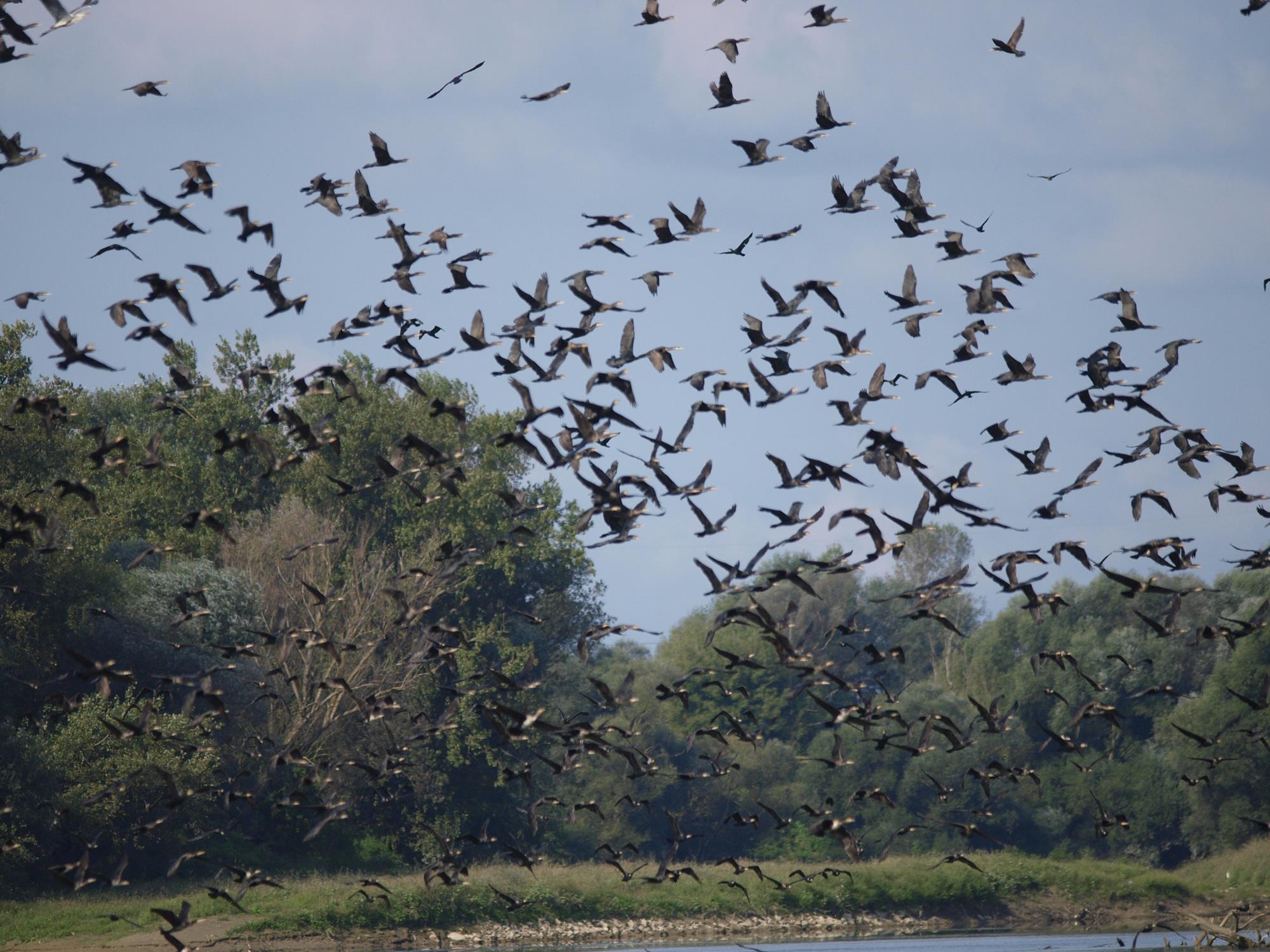
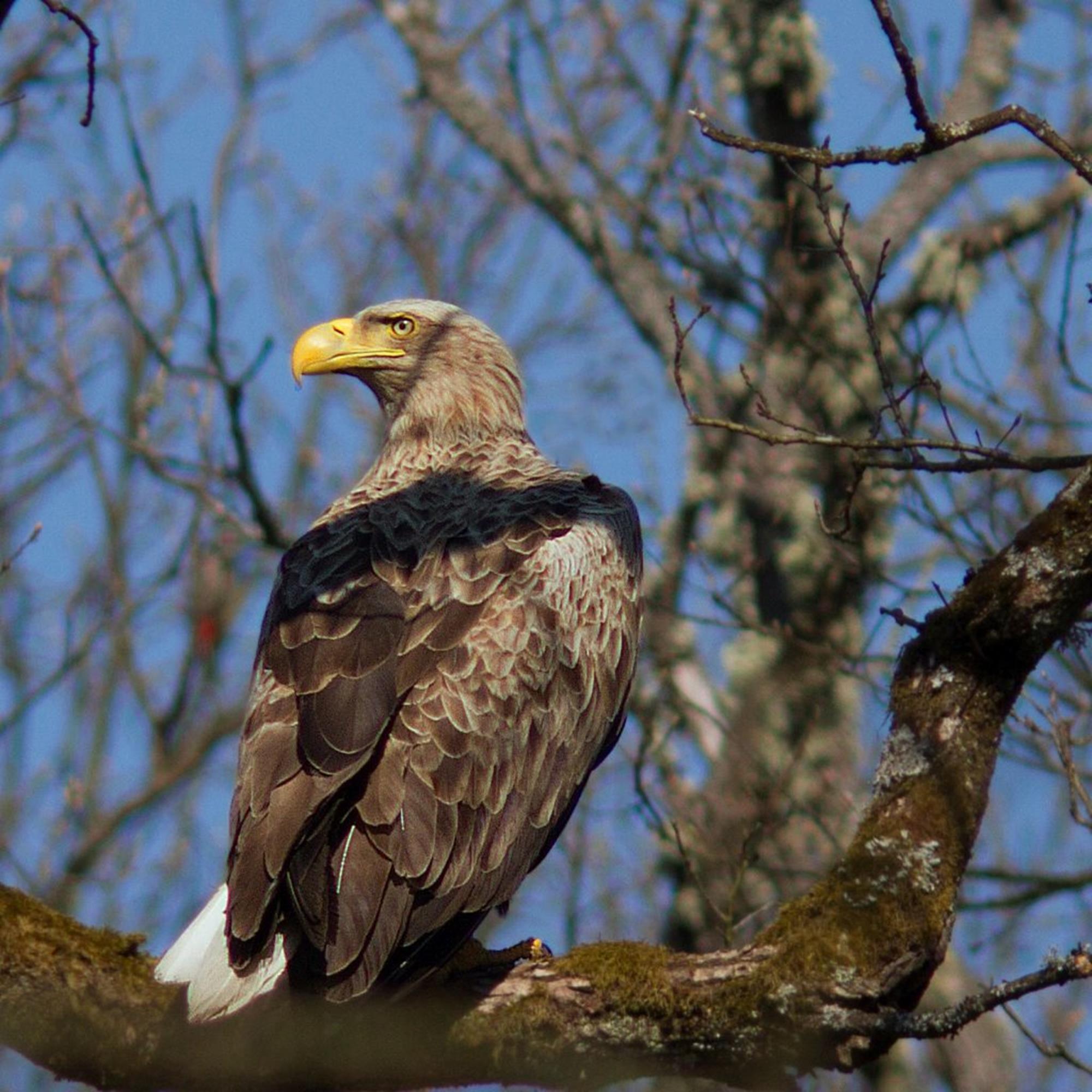

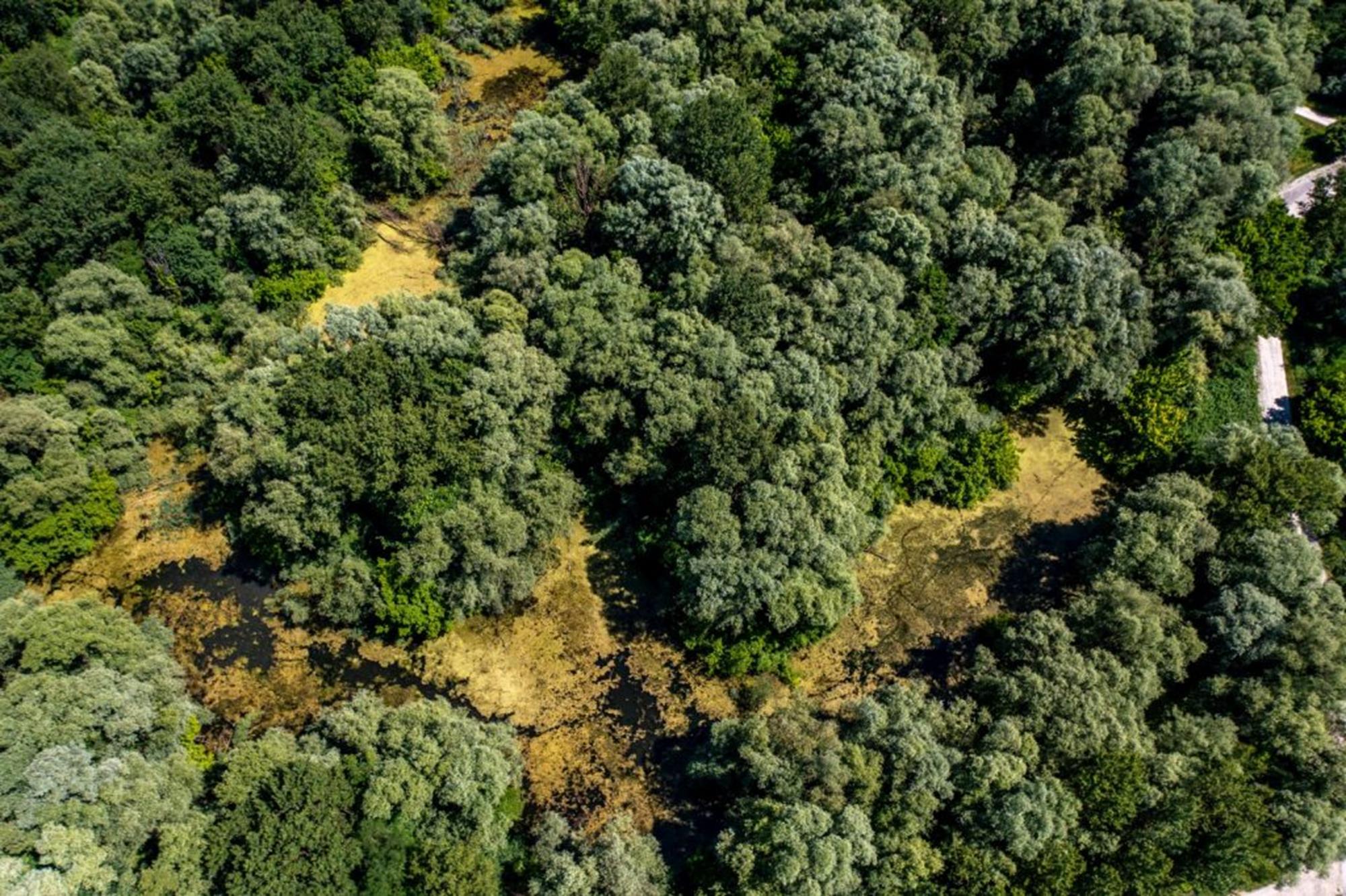
The area along the left and right banks of the Sava River, west of Podsused, is a unique habitat for numerous bird species and a remarkable example of preserved nature in the immediate vicinity of Zagreb. Forests of willow, poplar and alder, dense low vegetation, river backwaters and meanders, sand and gravel bars, and wet meadows create a diverse landscape and ideal conditions for rich flora and fauna. The Sava–Strmec Special Ornithological Reserve is also home to rare and endangered floodplain forests of black alder, narrow-leaved ash and willow.
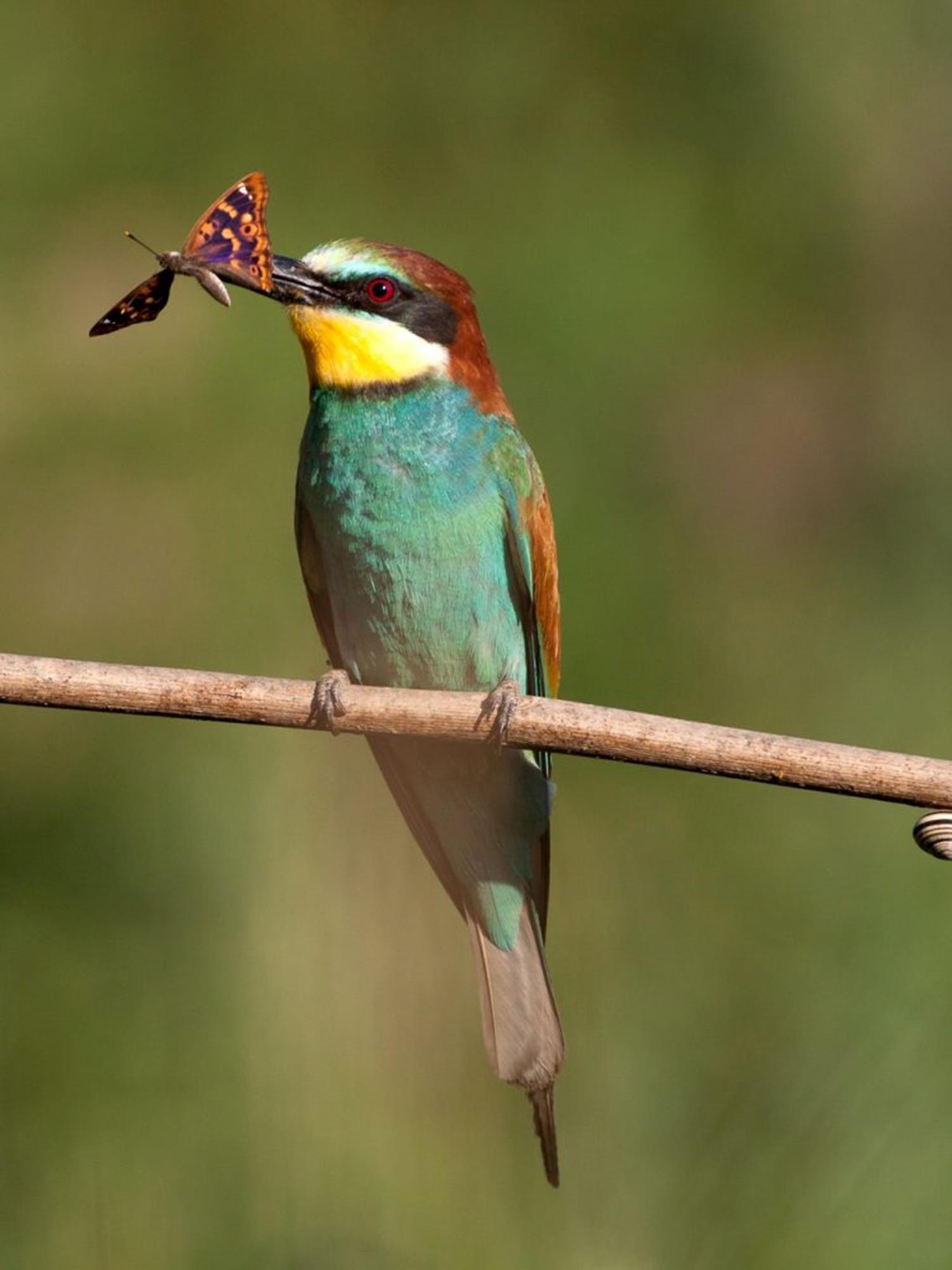
The reserve is protected not only because of the large number of birds found here, but also because of the presence of rare species – particularly remarkable given its proximity to Zagreb. More than 150 bird species have been recorded in the area, including the peregrine falcon, little ringed plover, common kingfisher, European bee-eater, Eurasian hoopoe, Eurasian penduline tit, common nightingale and barred warbler. On a European scale, the area is also an important habitat for four threatened breeding species – the white-tailed eagle, common sandpiper, sand martin and little ringed plover. Rare migratory and wintering birds can also be spotted along the Sava River.
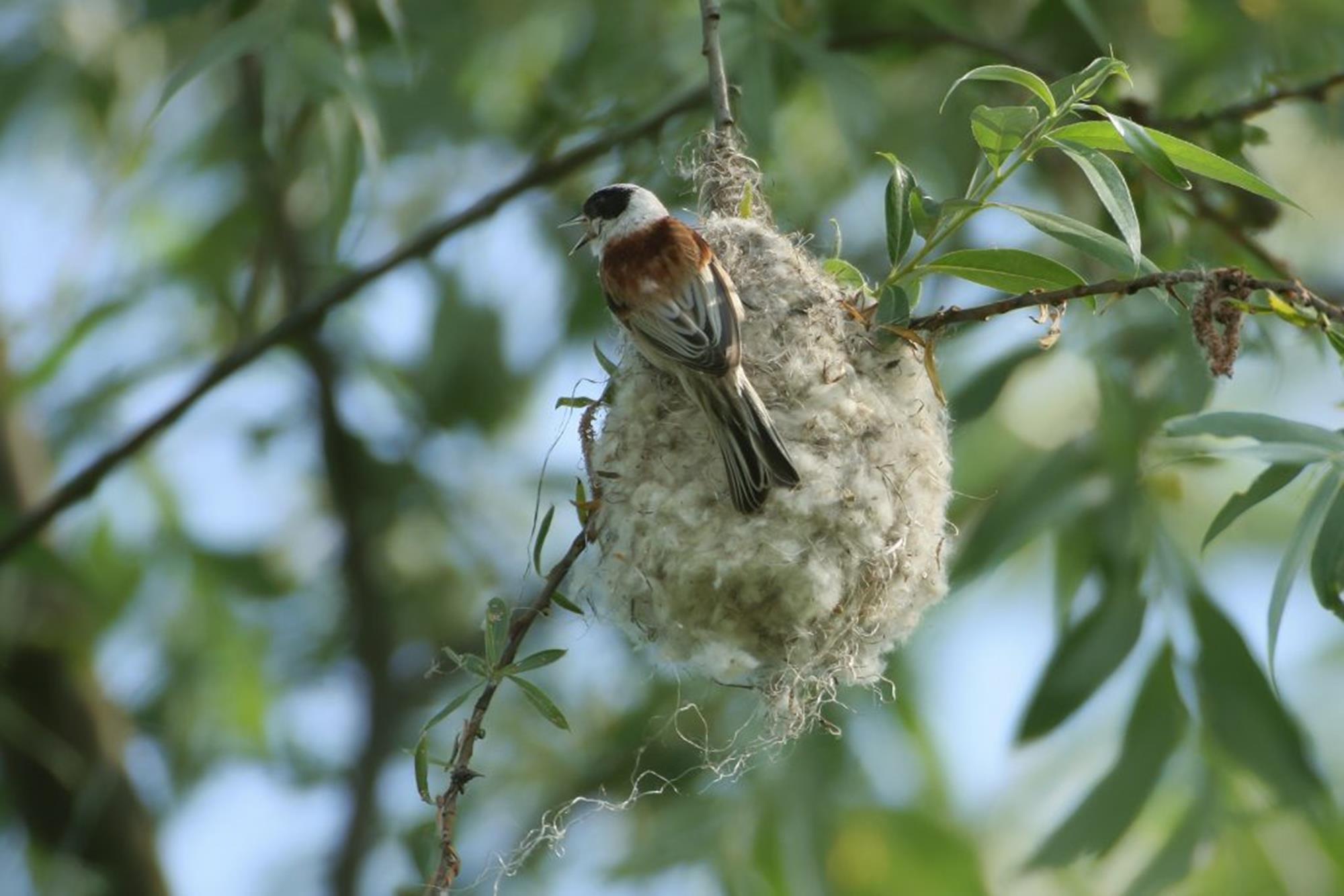
One of the reserve’s particularly fascinating inhabitants is the Eurasian penduline tit, a rare species known for its unusual hanging nests, which can reach around 30 centimetres in length. These birds inhabit areas along rivers, ponds and lakes, especially banks lined with willow and poplar trees, reeds and other wetland vegetation. They feed on small invertebrates, spiders, insects and their larvae, while in winter their diet also includes seeds of reeds, willows and poplars.
Their hanging nests are true masterpieces of natural architecture. After returning from its wintering grounds, the male begins building an intricate nest using soft plant fibres from reeds, willows and poplars. If the female approves of his work, she joins him in the construction process. After several weeks, the nest takes on its distinctive pouch-like shape, suspended from a thin willow or poplar branch.
The ornithological importance of the Sveta Nedelja area extends to the nearby lakes as well. Research has shown that since 2008, the majority of the Sava River population of common terns has nested on the island of Lake Rakitje. Their breeding season begins in early May, and these elegant birds are easily recognised by their lively flight, red bills and distinctive calls as they skim just above the water in search of small fish. The common tern is a strictly protected species and is classified as near threatened in Croatia.
Source: Public Institution Green Ring of Zagreb County (Javna ustanova Zeleni prsten Zagrebačke županije)